Errors rarely happen in the middle of a process. They happen at the edges, where responsibility changes hands but the record does not. Map handovers, not departments.
13 Nov 2026 · 2 min read · Zorsan
Errors rarely happen in the middle of a process. They happen at the edges.
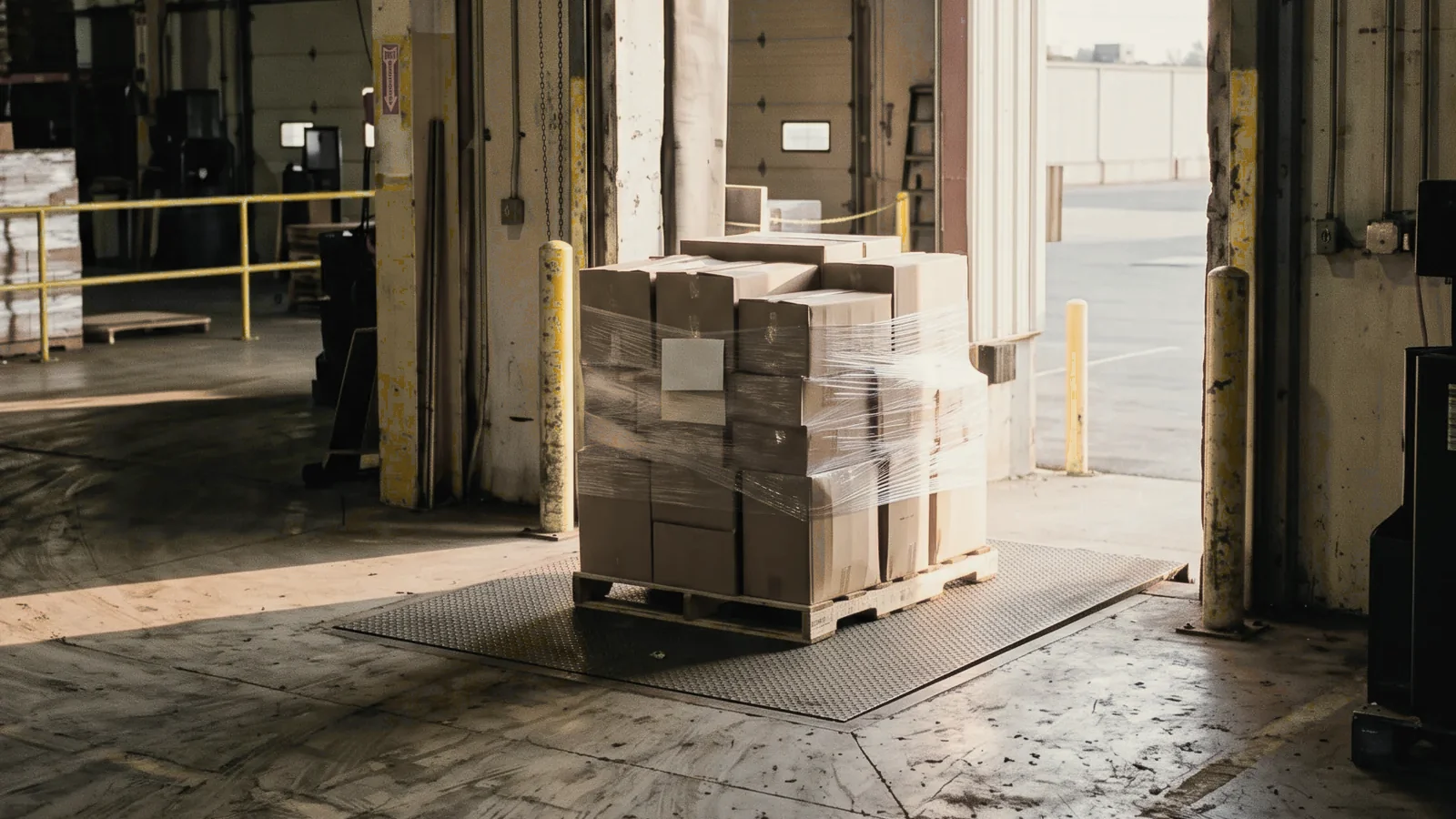
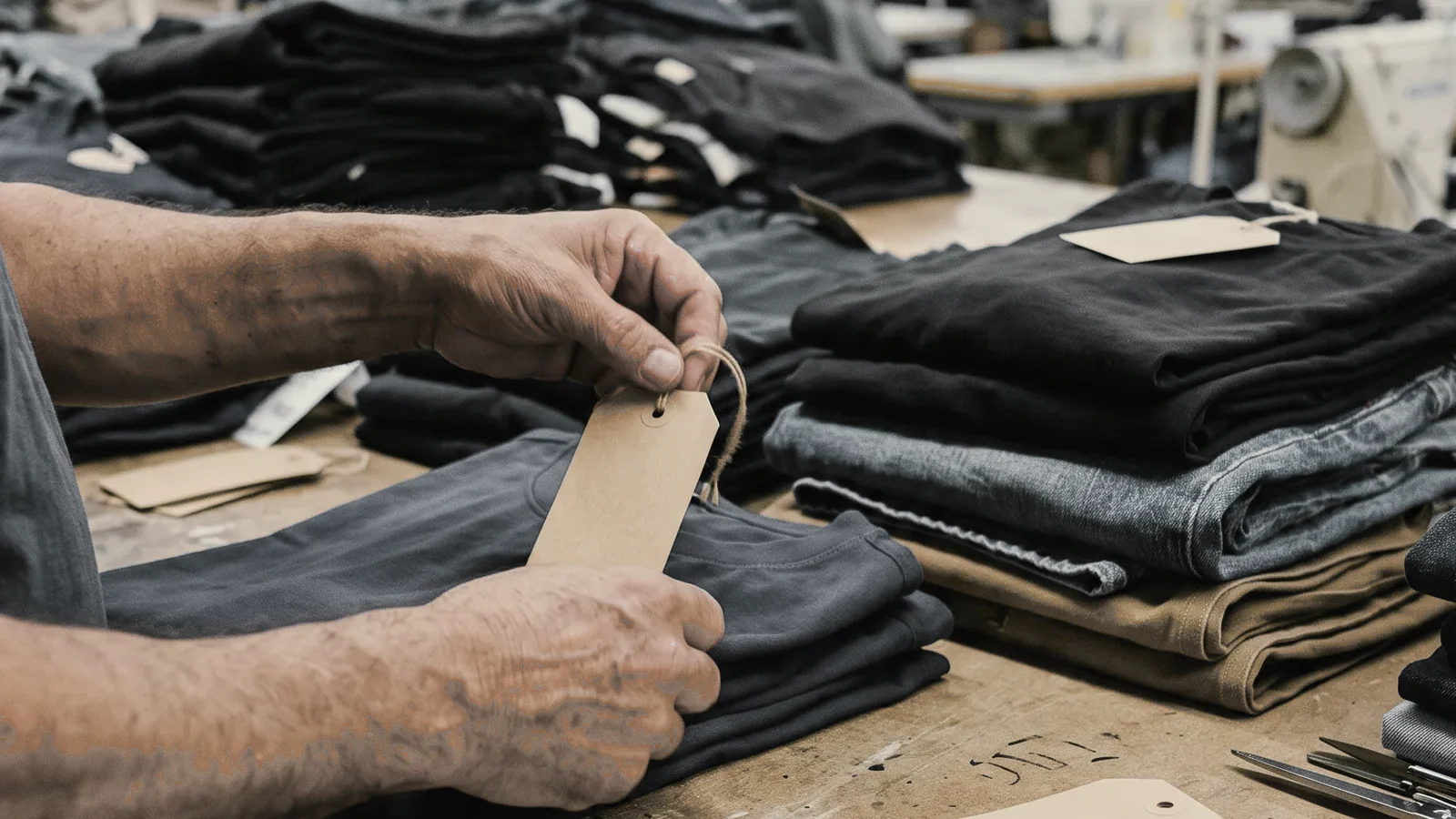
Warehouse to store. Cutting to stitching. Packing to loading. Driver to customer. At each handover, responsibility changes hands, but the record often does not. The sender's system says it left. The receiver signs for what the paper says. What was really inside is assumed.
Why handovers leak
Inside a department, someone owns the result. The warehouse manager owns the pick rate. The production manager owns the line output. Between departments, ownership is shared, which in practice often means nobody owns it.
The result is a familiar conversation: "Where did it go?" And the honest answer: "Somewhere between us."
Custody
Who holds it, and when.
Responsibility moves from party to party. The record has to move with it.
Distribution centrepicked and packed
Transporton the vehiclesigned dispatch note
Storereceived and shelvedsignature only, cartons not opened
Customerasks for the sizeat the till
Responsibility moves along →
Three questions at every handover
When we map an operation, we do not start with the organisation chart. We start with the physical journey of the goods, and we stop at every point where they change hands. At each one, we ask three questions:
What is supposed to pass here? The order, the transfer note, the bundle ticket.
How do we know what actually passed? A count, a scan, a signature, or nothing.
Who finds out when the two do not match, and how long after?
The third answer is the one that matters. If it is "the next person, within minutes", the handover is under control. If it is "the customer, a few days later", that is almost always where the money is leaking.
A worked example
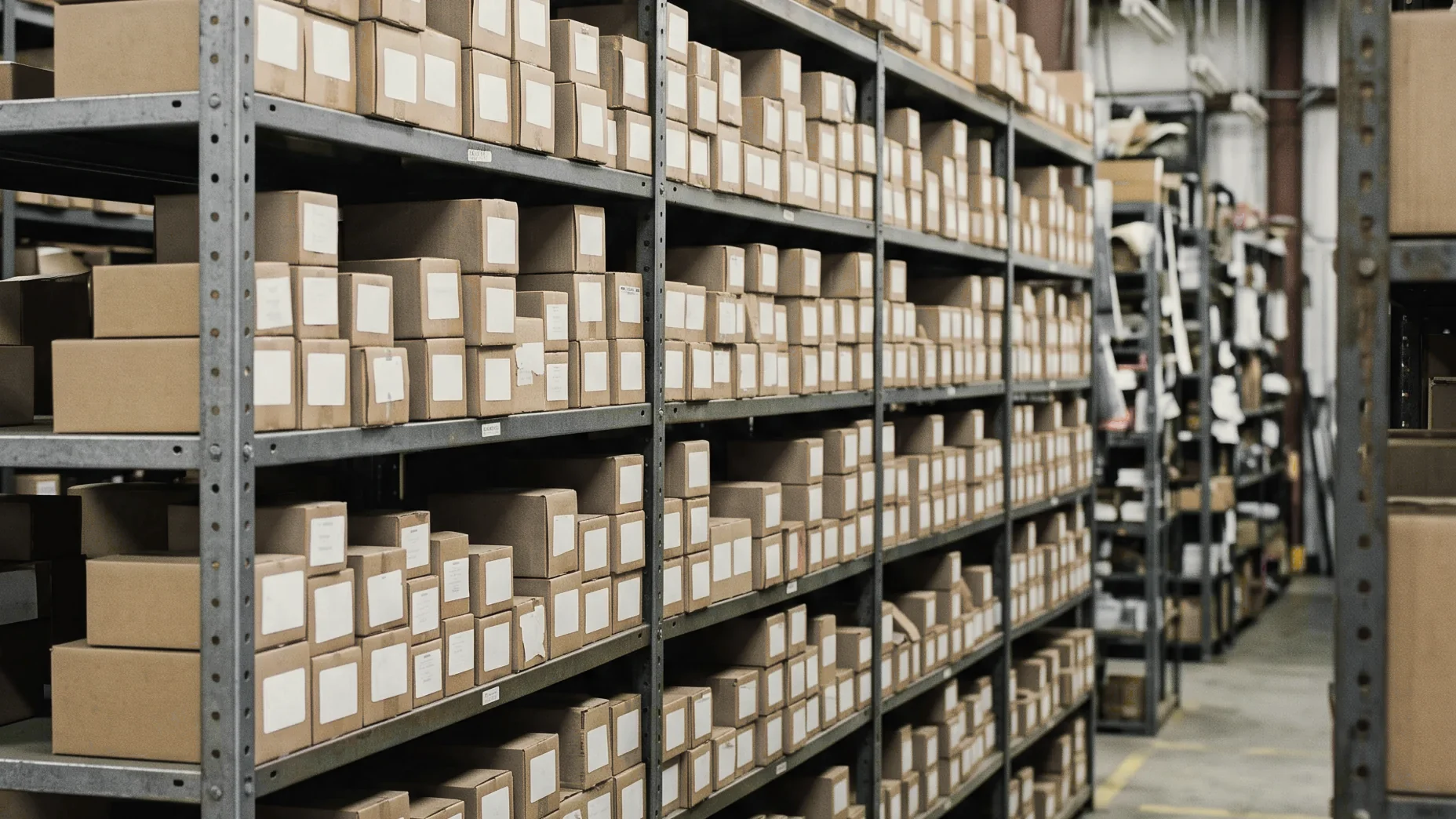
A retailer receives 300 cartons a week across 20 stores. Stores sign the delivery note on arrival without opening the cartons. Missing items surface at the next stocktake, months later, as "shrinkage".
The handover between the distribution centre and the store has two records, the dispatch list and the signature, and neither says what was inside. Adding a check at the store door, where each carton is read and compared with what was sent, turns months of uncertainty into a same-day answer.
Where to start
Draw the journey of one product from receiving to the customer. Mark every handover. For each, write the answer to the third question. The handover with the longest delay is your first project.
Newsletter
Lessons from the floor, once a month.
One short read on where operations lose control and what it costs. No sales emails.