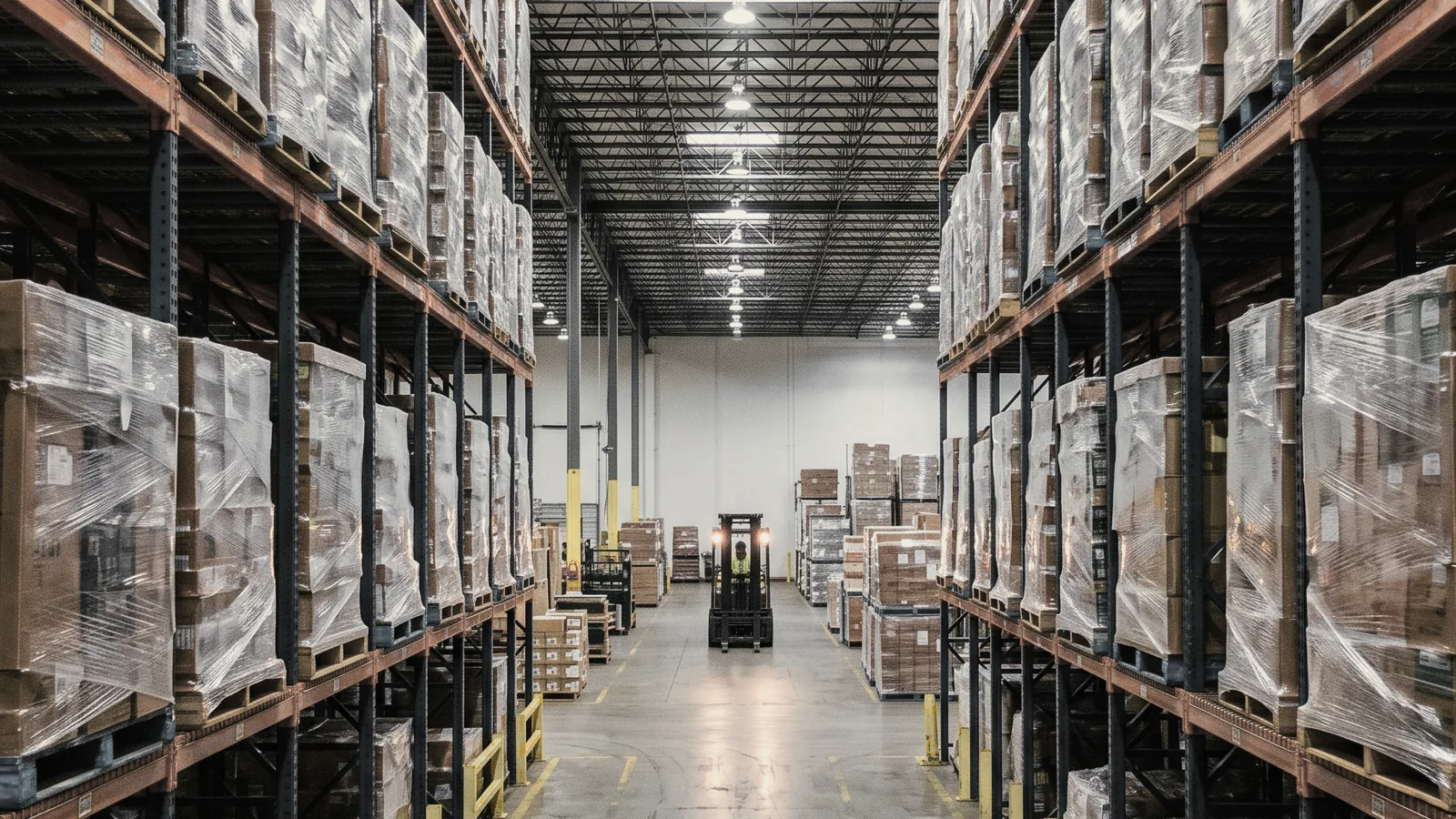
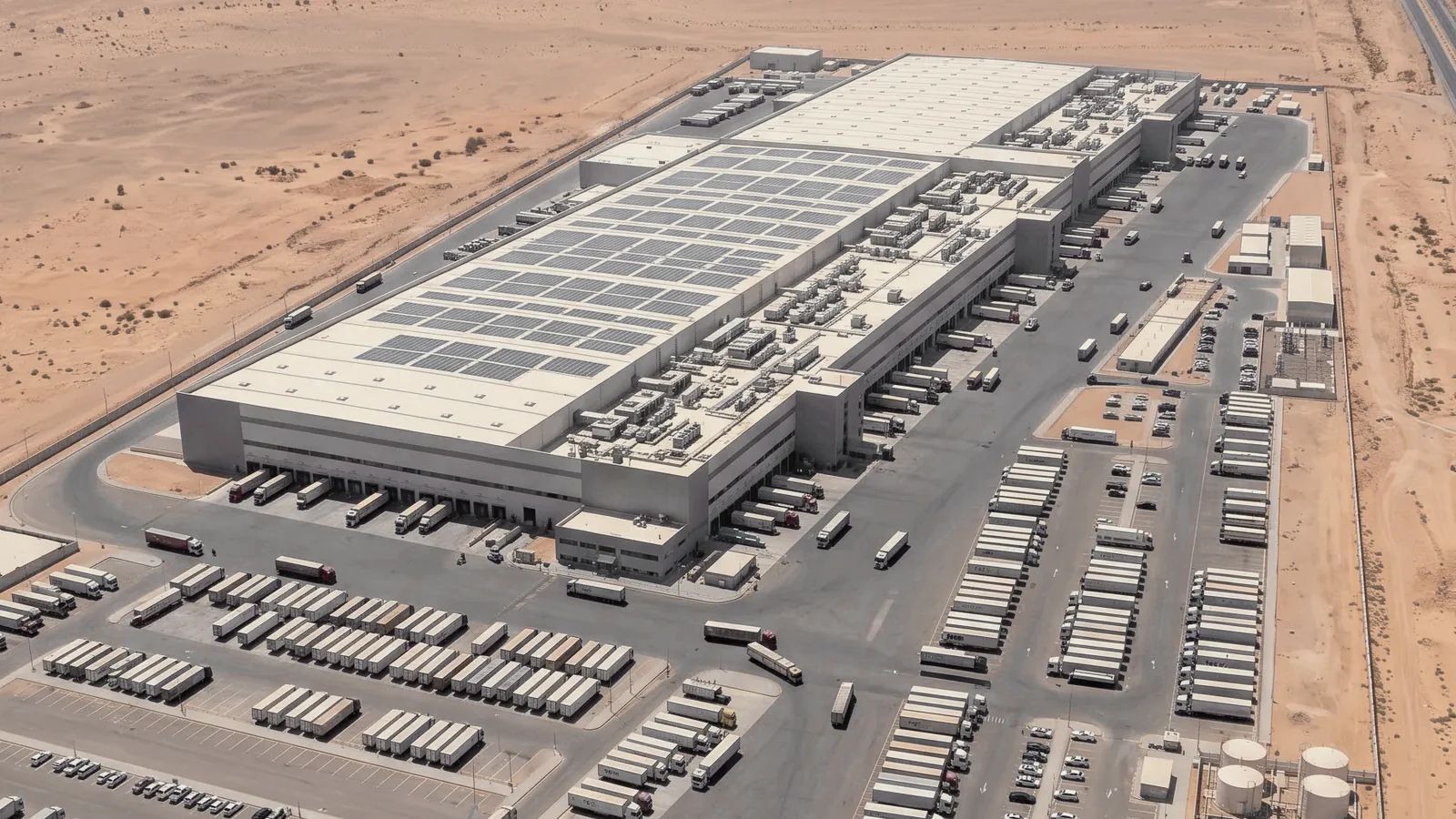
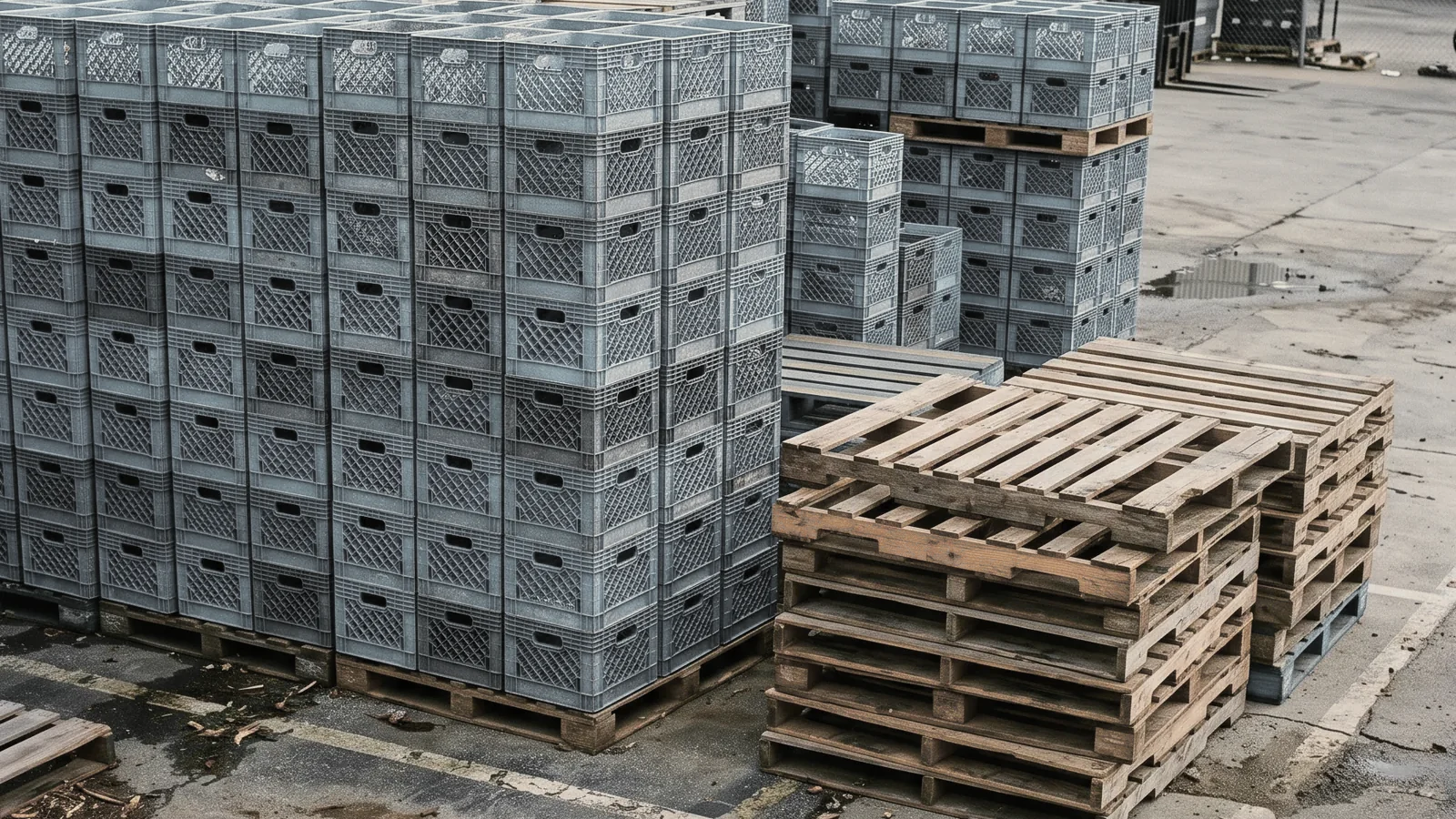
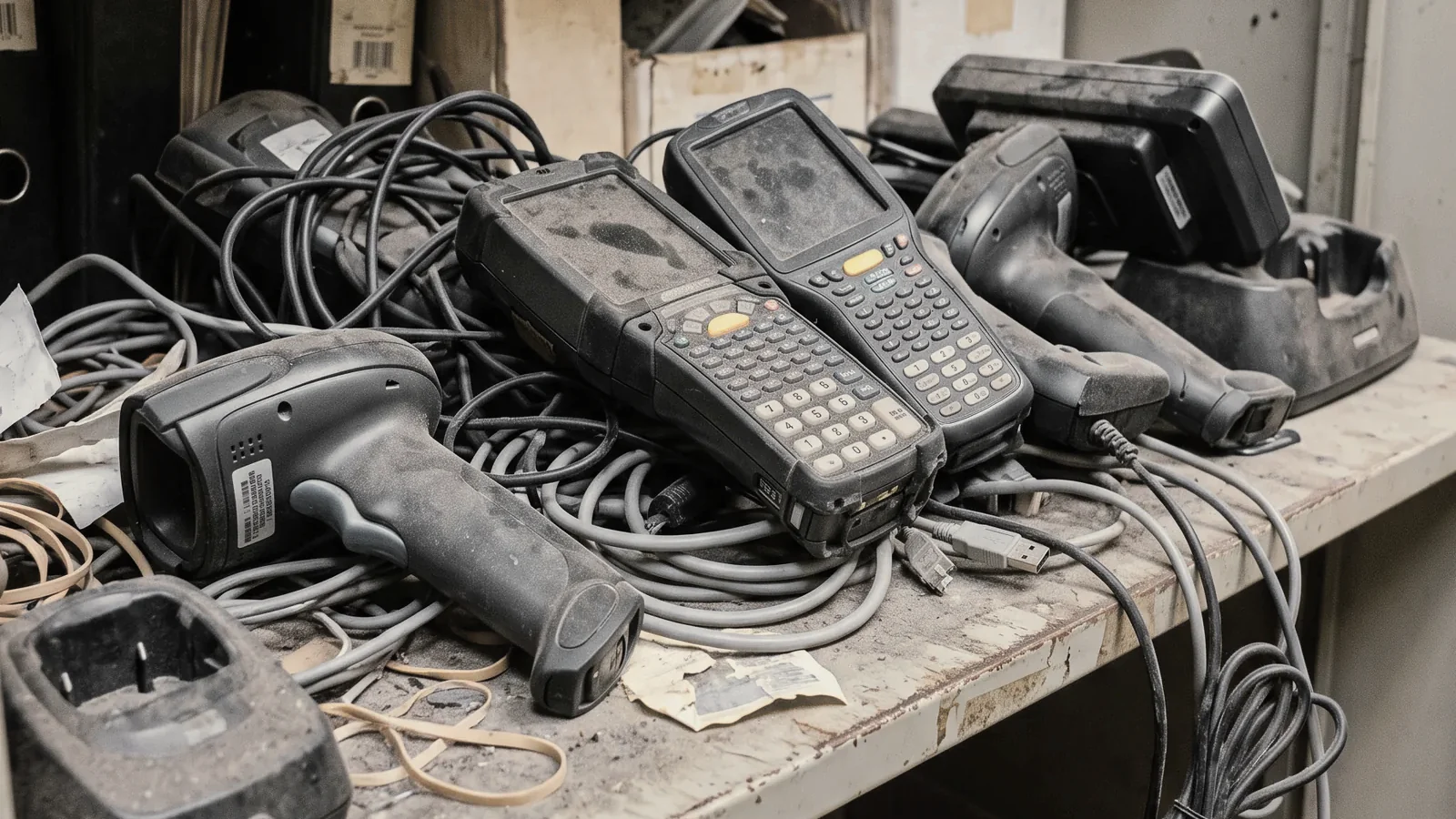
Transfers between warehouses, factories and stores are often recorded by hand, if at all. A pallet goes to the wrong site and nobody knows until the next count.
13 Nov 2026 · 2 min read · Zorsan
Most organisations track stock well inside each building. The trouble starts when stock moves between buildings.
A transfer is planned in the ERP. A pallet leaves warehouse A. Somewhere between the dock and warehouse B, the record and the reality part ways: the pallet goes to the wrong site, waits in a yard, or arrives with fewer cartons than it left with. The transfer stays "in transit" for weeks, and the stock floats between two records.
Why transfers are fragile
Two systems, or two people, must agree. The sender records the dispatch; the receiver must confirm the arrival. If the receiver is busy, the confirmation waits.
Paper notes travel with the goods and get lost with them.
Unplanned movements are invisible. Goods borrowed by another site, moved for space, or sent without a document never appear at all.
Transfers
A pallet at the wrong site.
A transfer meant for Detroit is unloaded in Minneapolis and nobody confirms the arrival. Hypothetical figures.
A simple illustration
Assume 20 stores each send or receive 10 transfers a week. If 1 in 20 is never confirmed on arrival, that is about 10 open transfers a week across the chain, or more than 500 a year, each one a small gap between two stock records. Individually they look like nothing. Together they explain a large part of the difference between the system and the shelf.
Gates that check the plan
The approach that works is to make every movement record itself:
What moves carries a tag: the pallet, the trolley, the cage, or the item.
Each door or dock has a reading gate. Every movement through it is recorded automatically, with time and direction.
Each movement is compared with the movement plan. Goods going to the wrong site, or leaving without a plan, raise an alert while they are still at the door.
The ERP or WMS is updated directly, so nobody types a transfer confirmation again.
What changes
A live view of stock across every site, including what is in transit and for how long.
Misrouting caught at the door, not at the next count.
Daily reports of movements, exceptions and assets that have not come back.
The question
Can you see, right now, what moved between your sites today, and what was not supposed to?
Newsletter
Lessons from the floor, once a month.
One short read on where operations lose control and what it costs. No sales emails.