Phantom stock: the size that exists only in the system
When the system shows stock that is not on the shelf, no replenishment is triggered and the sale is lost. Phantom stock hides in plain sight.
13 Nov 2026 · 2 min read · Zorsan
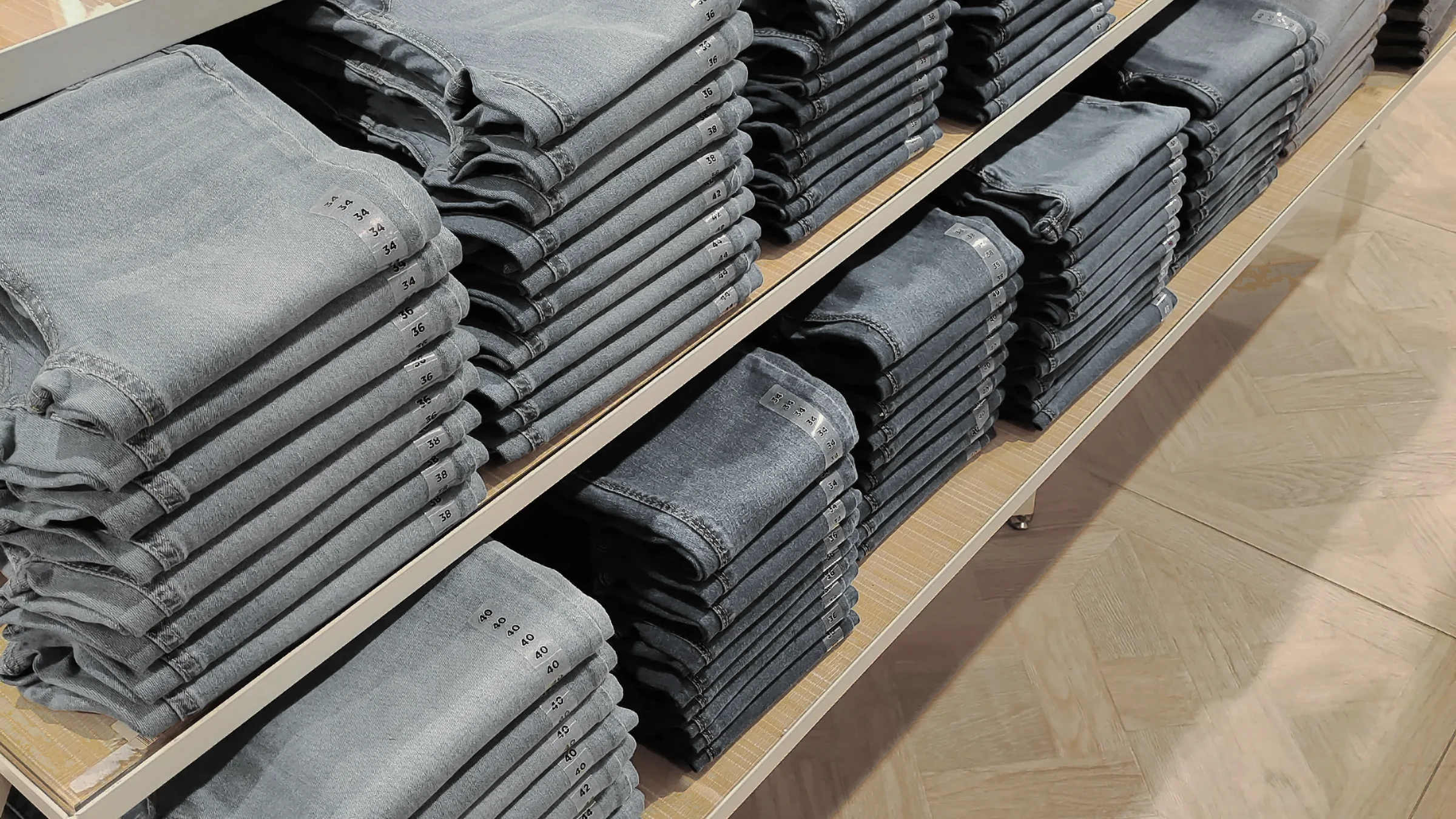
A customer asks for a size. The screen says there are two in stock. Nobody can find them.
That is phantom stock: items that exist in the system but not on the shelf. It is one of the most expensive problems in retail, because it is invisible to the system that is supposed to fix it.
Why phantom stock is worse than a stock-out
When the system knows an item is out of stock, replenishment is triggered. When the system wrongly believes the item is in stock, nothing happens. The shelf stays empty, the system stays confident, and every customer who asks for that size leaves without it.
Store stock
What the system says, line by line.
A handheld count compared with the store record. Each difference is a sale that may be lost, or a replenishment that never happens.
Item
System says
On the floor
Difference
001Jeans 32 · blue
24
21
−3
002Jeans 34 · blue
18
18
✓
003Shirt M · white
40
37
−3
004Shirt L · white
32
32
✓
005Jacket M · black
12
9
−3
006Dress S · red
15
15
✓
007Shoes 42 · brown
8
8
✓
3 of 7 records do not match what is physically there.
Where it comes from
Phantom stock enters the record at a handful of handovers:
Store receiving. A carton is accepted on the delivery note; a missing item becomes stock on paper.
Transfers. Items sent to another store are deducted late, or never.
Returns. Items come back, are re-entered twice, or under the wrong size.
The till. A wrong item is scanned, or one scan covers two different items.
Loss. Theft and damage that nobody records.
A simple illustration
The numbers are assumptions; replace them with your own. If 3 sizes in a store show as available but are not there, and each would sell twice a week, that is 6 lost sales a week in one store. Across 30 stores and 52 weeks, it is more than 9,000 lost sales a year, none of which appears in any report.
How chains that solve it work
They do not count harder. They check at the handovers where errors enter, so the record stays right:
Items carry a tag from the factory or distribution centre.
Deliveries are read at the store door against what was sent.
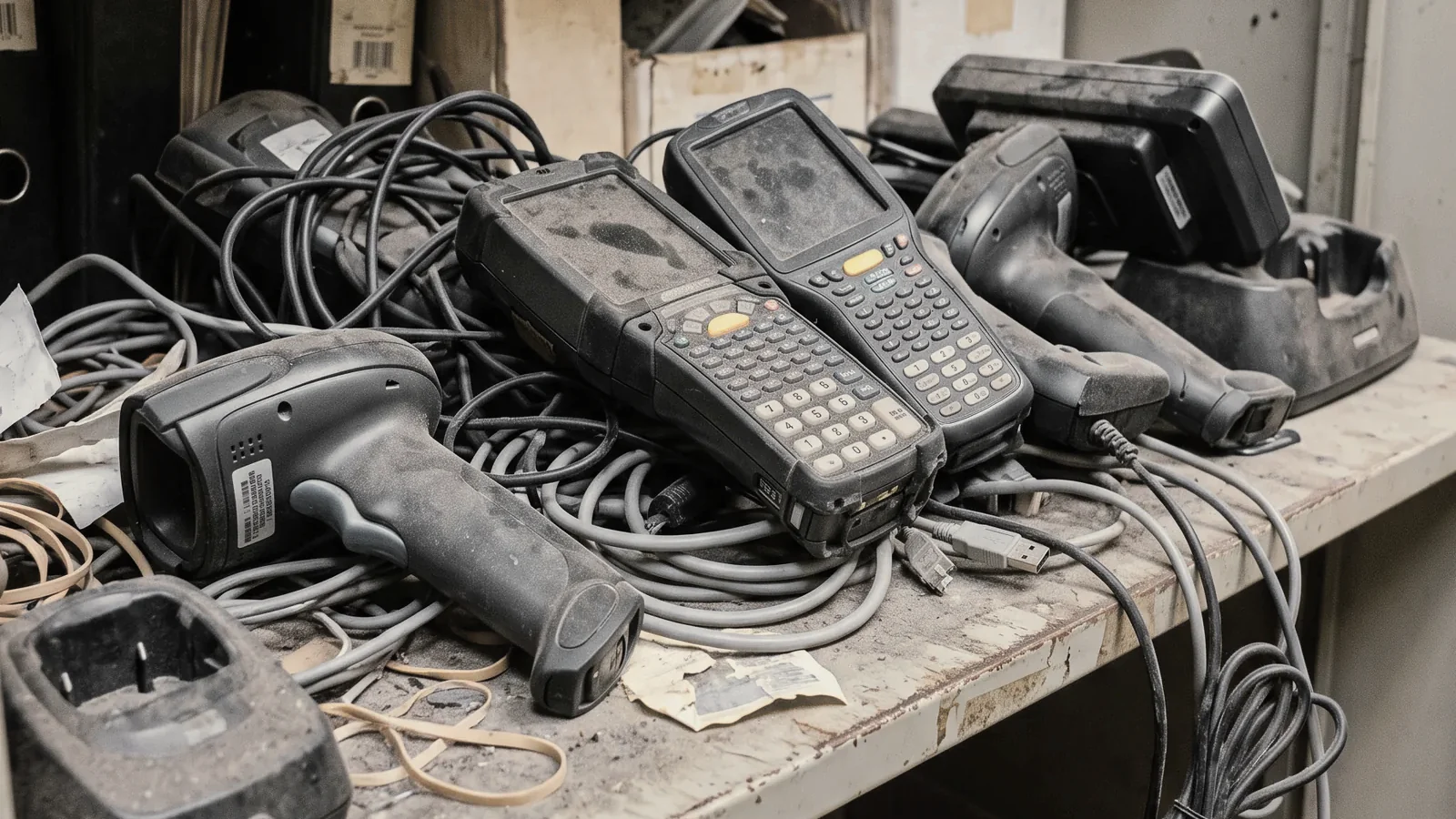
Stores count with a handheld reader, in an hour rather than a night, as often as they need.
The back store and the sales floor are counted separately, so the system knows where the item actually is.
The checkout reads the tag, so every sale corrects the record.
The question
How many sizes in your stores exist only in the system today, and how would you know?
Newsletter
Lessons from the floor, once a month.
One short read on where operations lose control and what it costs. No sales emails.