Stores sign the delivery note and the contents of every carton are assumed. That signature turns every upstream mistake into "stock".
13 Nov 2026 · 2 min read · Zorsan
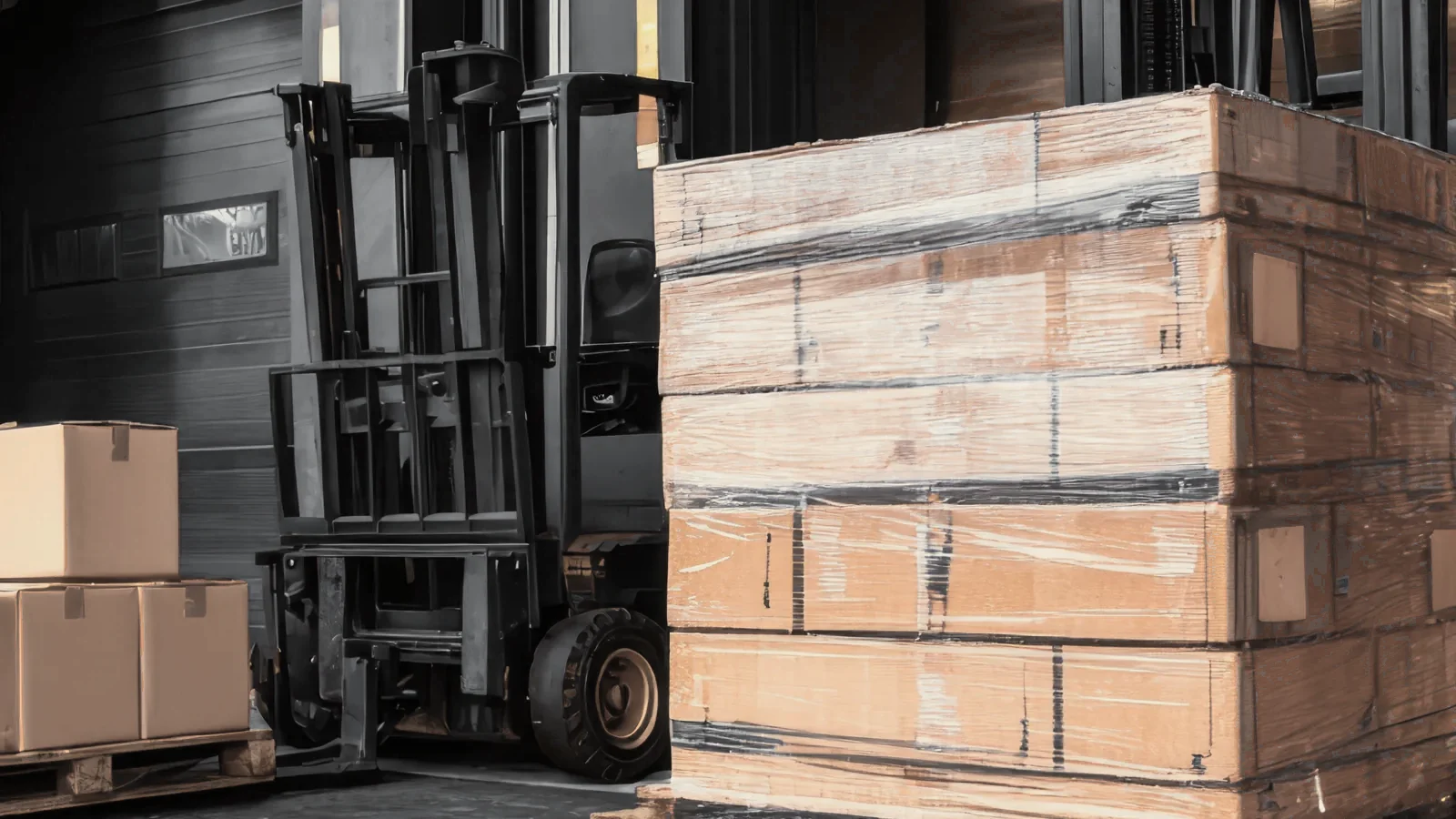
Most store receiving works like this: the delivery note says 30 cartons, the driver unloads 30 cartons, someone signs.
What is inside the cartons is assumed.
Why stores do not count
Counting a delivery item by item is slow. If checking a 30-carton delivery takes two people an hour, and deliveries arrive while the store is open, most stores never do it. The signature is the check.
That signature is powerful. It turns every mistake made upstream, a missing item at packing, a wrong size, a carton meant for another store, into "stock" in the store's record.
Store receiving
The signature that turns errors into stock.
Press the button to put a check at the store door.
What the system saysWhat actually happenedThe gap
Packat the distribution centre
Shipon the vehicle
Receivesignature only, cartons not opened
Shelvethe record says it is there
Sellthe customer asks for it
With a read at the door, shortages are found while the driver is still there.
What happens next
The gap stays invisible until one of three things happens:
A customer asks for an item that the system shows but nobody can find.
The next stocktake finds a difference, months later, and it is booked as shrinkage.
Someone notices a pattern and starts an investigation that has no evidence to work with.
By then nobody can tell whether the item was never delivered, was sold without a scan, was moved to another store, or was stolen. Receiving errors and theft end up in the same number.
A check that takes minutes, not hours
When items carry a tag from the distribution centre, receiving changes:
Cartons are read at the store door, without opening them, as they come off the vehicle.
What was read is compared automatically with what was sent.
A shortage is flagged while the driver is still there, with the carton identified.
The store record is updated with what actually arrived.
What changes
Shortages are found at the door, not at the count.
The difference between receiving error and loss becomes visible, so each can be fixed properly.
Distribution centres get feedback on their own accuracy, store by store.
The question
Do your stores count at receiving, or trust the paperwork? And if they trust it, what share of your shrinkage is really receiving error?
Newsletter
Lessons from the floor, once a month.
One short read on where operations lose control and what it costs. No sales emails.